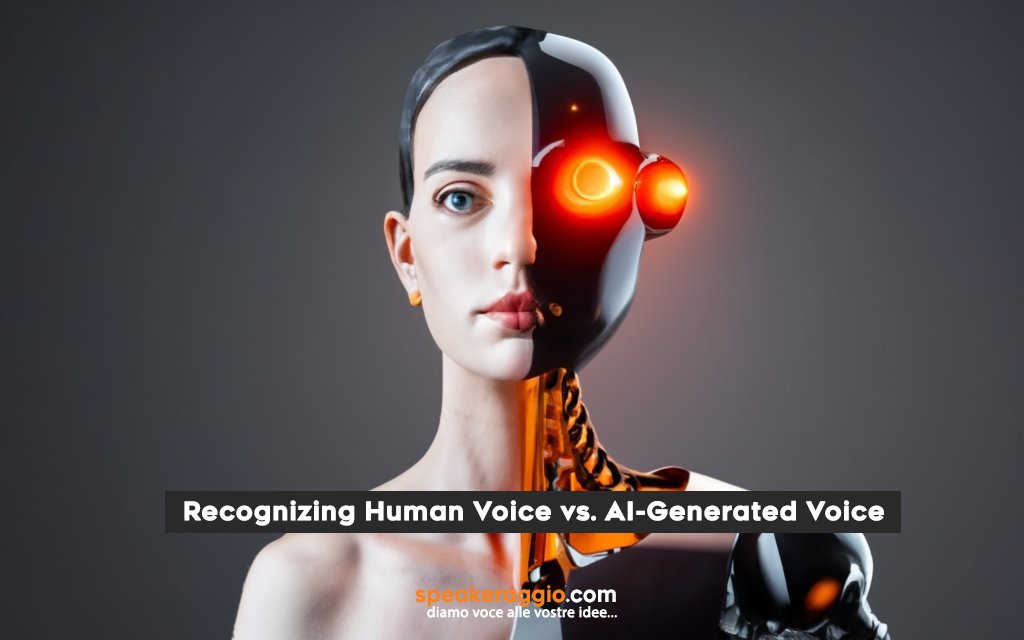
The digital stage is set, and the spotlight shines on a battle brewing in the sound booth. Forget polite disagreements; we're talking about the raw, visceral force of AI Voice vs. Human Voice Actors: The Angry Female Edition. This isn't just about a computer sounding like a person; it's about whether an algorithm can truly embody the intricate spectrum of human emotion, especially one as potent and nuanced as anger, voiced by a woman. Can the cold logic of code replicate the simmering frustration, the righteous indignation, or the sarcastic bite that only a human can truly deliver? Or is AI poised to redefine even the most emotionally charged performances in the voiceover industry?
This guide cuts through the hype to give you the unvarnished truth, helping you understand where AI excels, where it falls short, and when you absolutely must choose a human voice to make your message resonate.
At a Glance: AI Voice vs. Human Emotion
- AI Voice: Cost-effective, lightning-fast, highly consistent, excels at straightforward information, multilingual.
- Human Voice: Unmatched emotional depth, authentic nuance, relatable, crucial for complex character portrayal.
- The "Angry Female" Challenge: AI struggles to convey the genuine, multifaceted expressions of anger (sarcasm, frustration, righteous fury) without sounding flat or caricatured. Humans excel here.
- When to Use AI: E-learning, IVR, mass-produced content, early-stage testing, basic informational videos.
- When to Use Human: High-stakes commercials, audiobooks, video games, film/TV, any project where emotional connection and unique character are paramount.
- The Future: Likely a hybrid model, combining AI for efficiency with human talent for emotional refinement.
The Unsettling Rise of AI Voice: A Digital Reckoning
Artificial intelligence has slipped its leash, transforming industries at breakneck speed. For voiceovers, this means tools that can generate speech so eerily human-like, it gives you pause. From corporate narrations to explainer videos, AI is pitching for parts traditionally held by people. The core question is no longer if AI can speak, but when we should let it, and should we, particularly when emotions are on the line.
The conversation isn't just about technological prowess; it's steeped in ethical dilemmas. Experts like Tristan Harris and Aza Raskin highlight the societal risks, urging caution and the need for robust safety measures as we navigate this post-AI world. It’s a brave new sonic landscape, and navigating it requires more than just technical savvy—it demands a moral compass.
AI's Power Play: Why Everyone's Talking About Synthetic Voices (Even Angry Ones)
Let's be frank: AI brings some serious advantages to the table, making it an attractive option for many projects. These benefits are often the first thing that catches a producer's eye, particularly when deadlines loom and budgets tighten.
The Lean, Mean, Speaking Machine: Efficiency at its Core
- Cost-Effectiveness: This is the big one. AI voices often cost a mere fraction of what you'd pay a human voice actor, making them a godsend for tight budgets or projects where the message is purely informational and doesn't demand deep emotional resonance.
- Time-Efficiency & Speed: Need narration now? AI can generate voices in minutes, not days. This is invaluable for rapid-fire promotions, A/B testing different scripts, or pushing out urgent internal communications. Imagine iterating on various "angry female" reads for a protest ad campaign without booking a studio.
- Consistent Quality: AI doesn't get tired, sick, or have an off day. It maintains consistent pitch, pace, and tone throughout even the longest projects, ensuring uniformity that human voices, by nature, cannot always guarantee across multiple sessions.
- Multilingual Capability: AI voices effortlessly conquer language barriers. They can speak multiple languages with impressive accuracy, including pronunciation and intonation, opening up global markets for businesses without the expense and logistics of hiring native speakers for every locale. Want your fierce female character to deliver a line in French, German, and Spanish? AI can do it instantly.
- Creative Freedom (with a caveat): Directors can quickly tweak voice aspects like gender, accent, pacing, and modulation. This agile experimentation can happen in minutes, not days, allowing for rapid creative iteration. You can experiment with different shades of an "angry female" tone – from a low, seething growl to a sharp, high-pitched retort – and see what lands best.
- Accessibility & Scalability: AI can bridge language gaps, open new markets, and produce thousands of lines or multilingual versions instantly. This democratizes voice content creation, making it accessible even for smaller creators. If you need to Generate angry female TTS voices for a volume of short social media clips, AI is an obvious front-runner.
For projects where the goal is clear communication, high volume, or rapid deployment, AI voices are a formidable contender.
Where AI Stumbles: The Uncanny Valley of Emotion and Nuance
Despite AI's impressive strides, there's a chasm it consistently struggles to cross: the authentic, complex tapestry of human emotion. This becomes glaringly obvious when you venture into the realm of the nuanced "angry female" voice.
The Emotional Dead End: When "Good Enough" Isn't Enough
- Lack of Deep Emotional Connection: This is AI's Achilles' heel. While it can simulate emotions, it often sounds flat or hollow when conveying the profound joy, deep sadness, paralyzing fear, or explosive anger that defines human experience. A synthetic voice trying to convey righteous fury might sound more like a robotic lecture than a genuinely outraged individual. The subtle micro-expressions of human anger – a slight quiver, a choked back sob, a sharp intake of breath – are incredibly hard for AI to mimic authentically.
- Struggles with Nuance: Complex scripts demand more than just reading words; they require interpretation. Humor, irony, sarcasm, and precise comedic or dramatic timing are typically beyond AI's current capabilities. Imagine an AI trying to deliver a sarcastically angry retort – it often misses the subtle vocal cues that signal irony, resulting in a flat or unintentionally funny delivery. The layers of subtext in a heated dialogue are almost impossible for an algorithm to truly grasp and articulate.
- The "Uncanny Valley" Effect: AI voices can sound "almost human," but that slight unnaturalness can be unsettling. This "uncanny valley" effect hinders genuine connection and relatability for many audiences, creating a subconscious barrier that prevents listeners from fully immersing themselves in the content. For an "angry female" character, this can turn a powerful moment into something oddly artificial, undermining the very emotion you're trying to convey.
When your project demands a voice that can truly feel and make your audience feel, AI often falls short. It's the difference between a meticulously crafted painting and a photograph; both can depict reality, but one carries the artist's soul.
The Indispensable Human Touch: What Only a Voice Actor Can Deliver
Enter the human voice actor, the master of emotional alchemy. These artists bring an unparalleled depth and authenticity that AI, for all its sophistication, simply cannot replicate.
The Soul of Sound: Where Humans Reign Supreme
- Emotional Depth and Nuance: Humans are wired for emotion. A skilled voice actor can convey a full spectrum of feelings – from a barely perceptible tremor of anxiety to the full-throated roar of rage – with natural variation and genuine conviction. They can improvise, adjust tone mid-performance, and respond to creative direction in real-time, infusing every word with lived experience. Consider the difference between an AI generating an "angry" sound and a human actor channeling years of personal experience, understanding the why behind the anger, and delivering a performance that truly resonates.
- Authenticity and Relatability: There's an inherent trust and connection audiences form with a real human voice. It's primal. When a human speaks, we hear not just sounds, but intent, vulnerability, and shared humanity. This authenticity is crucial for building rapport and credibility, making your message resonate on a deeper, more personal level. When you hear a truly powerful angry female voice, you often feel it in your gut – a connection that AI struggles to forge.
- Sophisticated Performance: For projects requiring complex character portrayal, unique personalities, or immersive storytelling, human voice actors are indispensable. They bring an artistic interpretation, understanding pacing, rhythm, and the subtle interplay of dialogue that elevates a script from mere words to compelling narrative. Think of a video game character, an audiobook narrator, or a film's voiceover – these roles demand an actor's full creative power to build a world and populate it with believable, emotionally rich characters.
The Real-World Rub: When to Hire Human, When to Deploy AI
Deciding between an AI voice and a human voice actor boils down to understanding your project's specific needs, your audience's expectations, and your budget. It's a strategic choice, not a blanket one.
Go AI When...
- You're a Content Creator on a Treadmill: For frequent YouTube videos, short social media clips, or podcasts where high volume and quick turnaround are key, AI is your friend. It's perfect for generating a basic narration layer, freeing you to focus on visuals.
- Training and E-learning Modules: If the goal is clear, concise information delivery without heavy emotional lifting, AI is excellent. It ensures consistency across modules and makes updates a breeze.
- Global Reach, Fast: Businesses expanding into multiple languages quickly can leverage AI's multilingual capabilities to localize content at speed and scale.
- Tight Budgets & Straightforward Communications: For internal corporate announcements, automated phone systems (IVR), or simple product descriptions where complexity and deep nuance are not critical, and your audience doesn't prioritize a human touch, AI is the cost-effective solution.
- Initial Prototyping/A/B Testing: Quickly test different scripts or voice styles before committing to a human actor.
Choose Human When...
- High-End Commercials & Branding: When brand image, emotional impact, and audience trust are paramount, a human voice is non-negotiable. You need that authentic connection to sell a product or tell a story effectively. Imagine trying to sell luxury goods with a robotic voice – it simply won't work.
- Audiobooks & Long-Form Emotional Storytelling: Narrating a novel requires stamina, character distinction, and the ability to convey a long-arc emotional journey. AI simply isn't equipped for this level of nuanced performance.
- Video Games & Immersive Worlds: Character depth and player immersion are crucial. Players need to believe in the voices of their heroes, villains, and NPCs, including the nuanced angry female warrior, sage, or villain.
- Films & TV Series: The pinnacle of authentic emotional connection. Human voices convey the full dramatic weight and subtext essential for cinematic storytelling.
- Projects Requiring Highly Sophisticated Performances or Specific Human Nuances: If your script relies on sarcasm, irony, comedic timing, or a unique character voice (like a very specific angry tone that hints at underlying sadness), a human actor is your only real choice.
The Costs & Timelines: A Practical Showdown
Beyond the artistic and emotional considerations, practicalities like cost and time often drive the decision-making process.
The Price of Art vs. The Price of Code
- Human Voice Actors (Higher Costs): Hiring talent means paying for their expertise, experience, and the time they spend in the studio. This includes not just the actor's rate but often studio fees, engineer costs, and editing time. A top-tier actor, especially one skilled in conveying complex emotions like a truly authentic angry female character, commands higher fees.
- Human Voice Actors (Longer Production Timelines): Booking a voice actor involves scheduling, recording sessions, potential retakes, and post-production. This collaborative process, while yielding superior results, inherently takes more time and can delay project delivery.
- AI Voiceovers (Lower Costs): The beauty of AI is its minimal overhead. You pay for the service, often on a subscription or per-word basis, which is dramatically less than human talent.
- AI Voiceovers (Faster Production): Generating audio is near-instantaneous. There's no scheduling, no studio time, no waiting for retakes. You input text, and the audio is generated. This speed is unbeatable for high-volume or urgent projects.
Tools of the Trade: Crafting Voices, Human and Synthetic
Whether you choose human or AI, tools are essential. For human actors, it's about high-quality microphones, treated booths, and skilled engineers. For AI, it's advanced platforms constantly pushing the boundaries of synthetic speech.
- Descript.com: This AI-driven platform leverages natural language processing (NLP) and machine learning to transform text into professional-quality audio. Its unique selling point is the ability to create a "custom voice" that can sound like the user's own, effectively cloning your voice for future projects. This could allow you to generate content in your angry female voice, even when you're not in the studio.
- Resemble.ai: Utilizing deep learning algorithms, Resemble.ai can analyze and replicate a person's unique voice characteristics from a few audio samples. It then generates synthetic speech that mimics the original's tone, pitch, and pacing, offering a truly personalized AI voice experience. This level of cloning means businesses could maintain a consistent "brand voice" even across AI-generated content.
These tools are not just fancy software; they represent the leading edge of what AI can do in the voice industry, from simple text-to-speech to deep voice cloning.
Navigating the Future: A Hybrid Harmony or a Hard Line?
The future of voice acting isn't about one option completely annihilating the other. Instead, it's likely headed towards hybrid models. Imagine AI generating initial narration drafts for an e-learning module, then a human actor steps in to refine key sections, add nuanced emotional delivery, or voice specific character interactions that demand that authentic spark.
This approach leverages AI for its unparalleled efficiency and scalability while reserving the unique artistry of human talent for storytelling and emotional resonance. Production becomes faster without necessarily sacrificing quality where it matters most.
Voice actors will need to adapt, learning to work with AI rather than against it. Their value will increasingly lie in providing the "ultimate human touch," focusing on the subtle inflections, emotional depth, and improvisational skills that AIs still can't master. This shift demands new skills, perhaps even guiding AI systems to better understand emotional context, or specializing in the most complex, character-driven performances. The "angry female" voice, in its true, multifaceted glory, will remain a testament to human vocal artistry, refined and delivered by those who understand its profound power.
Frequently Asked Questions
Can AI voices genuinely express complex emotions like anger, sadness, or joy?
While AI can simulate emotional tones by altering pitch, pace, and volume, it often struggles with the depth, nuance, and authenticity required for truly complex emotions. It might sound "angry" in a generic sense, but it typically lacks the subtle variations, subtext, and genuine emotional connection that a human voice actor brings. The "uncanny valley" effect can also make these simulated emotions feel artificial or even unsettling.
Is AI voice acting going to replace all human voice actors?
No, not entirely. AI will undoubtedly take over tasks that are high-volume, repetitive, or require straightforward informational delivery. However, roles demanding deep emotional connection, unique character portrayal, complex nuance (like sarcasm or irony), or artistic interpretation will continue to require human voice actors. The industry is more likely to see a shift towards hybrid models and new specializations for human talent.
What are the ethical considerations when using AI voiceovers?
Ethical concerns include potential job displacement, the unauthorized cloning of voices without consent, the risk of deepfake audio being used for malicious purposes, and issues of copyright and ownership when AI is trained on existing human performances. There's also the broader question of authenticity and trust when content is presented as human but is entirely synthetic.
How do I ensure an AI voice sounds less robotic and more natural?
To make AI voices sound more natural, focus on high-quality AI voice platforms (like Descript.com or Resemble.ai) that use advanced deep learning. Experiment with different voice styles, adjust parameters like pitch, pace, and emphasis, and break down text into smaller, more natural-sounding phrases. Some platforms allow you to add "breaths" or "pauses" to enhance realism.
For a project requiring an "angry female" voice, what should I consider first: AI or human?
If your "angry female" voice needs to convey a simple, direct, forceful tone (e.g., a short alert or command) and budget/speed are primary, AI might suffice for a first pass. However, if the anger needs to be nuanced (sarcastic, indignant, simmering, righteous fury), deeply emotional, character-driven, or central to a compelling narrative, a human voice actor is almost always the superior choice to achieve genuine connection and authenticity.
Your Voice, Your Choice: Charting a Course in the Sonic Future
The decision between AI and human voice acting, especially for something as emotionally charged as the "angry female" voice, isn't just about technology; it's about artistry, impact, and the connection you forge with your audience. AI offers unprecedented efficiency and scalability, perfect for the informational and the instantaneous. But when your message demands soul, when it requires the intricate dance of human emotion – from a whispered lament to a defiant roar – the nuanced power of a human voice actor remains irreplaceable.
As the industry evolves, the most successful creators will be those who intelligently leverage both, understanding that the greatest innovation often lies in combining the best of what machines can do with the irreplaceable magic of the human touch.